M Hadi /
I spent a month studying the world's fastest growing podcast. Here's their secrets...
After watching every single one of their behind-the-scenes videos, I finally have some notes to share.
For the past month, I’ve been obsessed with Steven Bartlett and The Diary of a CEO, his podcast.
For context:
Steven’s a British entrepreneur and the founder Thirdweb, Flight Story, and Flight Fund
He’s the host of The Diary of a CEO (7 million subscribers on YouTube)
He became the youngest-ever investor on Dragon’s Den (British version of Shark Tank)
Most importantly, he makes very good vlogs.
These vlogs show how he runs his multiple businesses, keeps his podcast consistent, and deals with work-life balance. With each episode, he shares valuable business lessons that anyone can apply.
After discovering his vlog channel, Behind the Diary, and watching a few of the videos, I decided I needed to take some notes.
These have already completely changed the way I think about my podcast, and have inspired me to rethink the way I run it as a whole.
I would highly recommend skimming through them even if you’re not interested in starting a podcast or running a business. There’s some very valuable lessons in there for everyone :)
Podcast Growth
One of the factors that make them successful is their experiments.
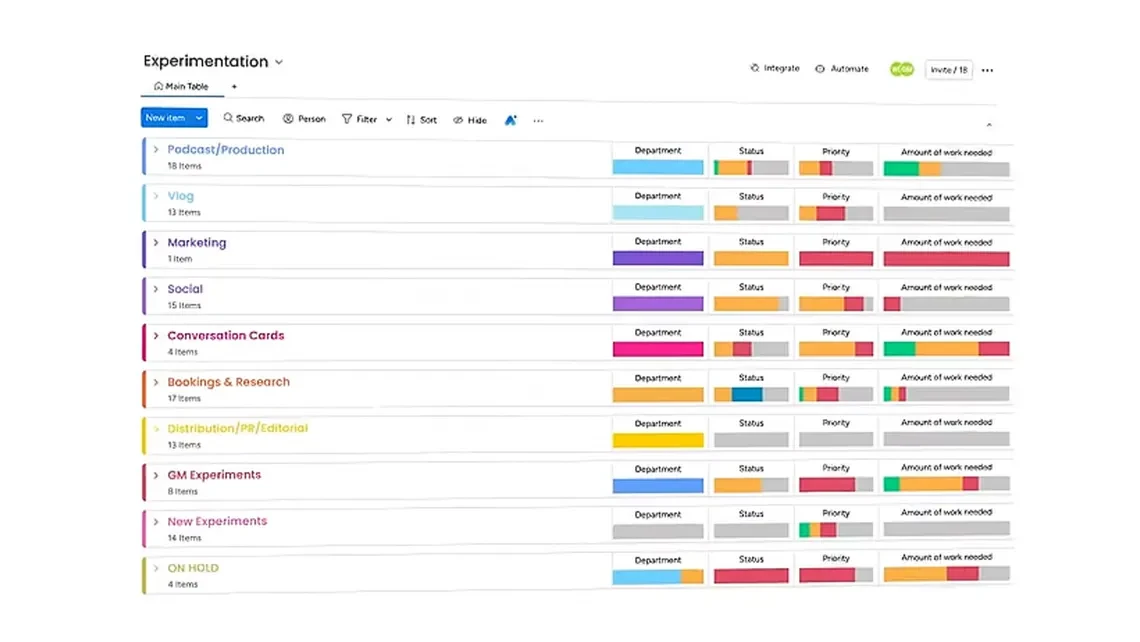
The DOAC (Diary of a CEO) experiment dashboard; Steven encourages employees to pitch experiment ideas and run them. The podcast is treated like a piece of technology, they focus on iterative approaches, data analysis, and scalability
The core of the pod is innovation, with a focus on constant measurement and applying the scientific method
They test thousands of small elements in real-time, similar to a science lab
When researching a guest:
They create a research document with as much info as possible about the guest, that Steven then studies before each episode
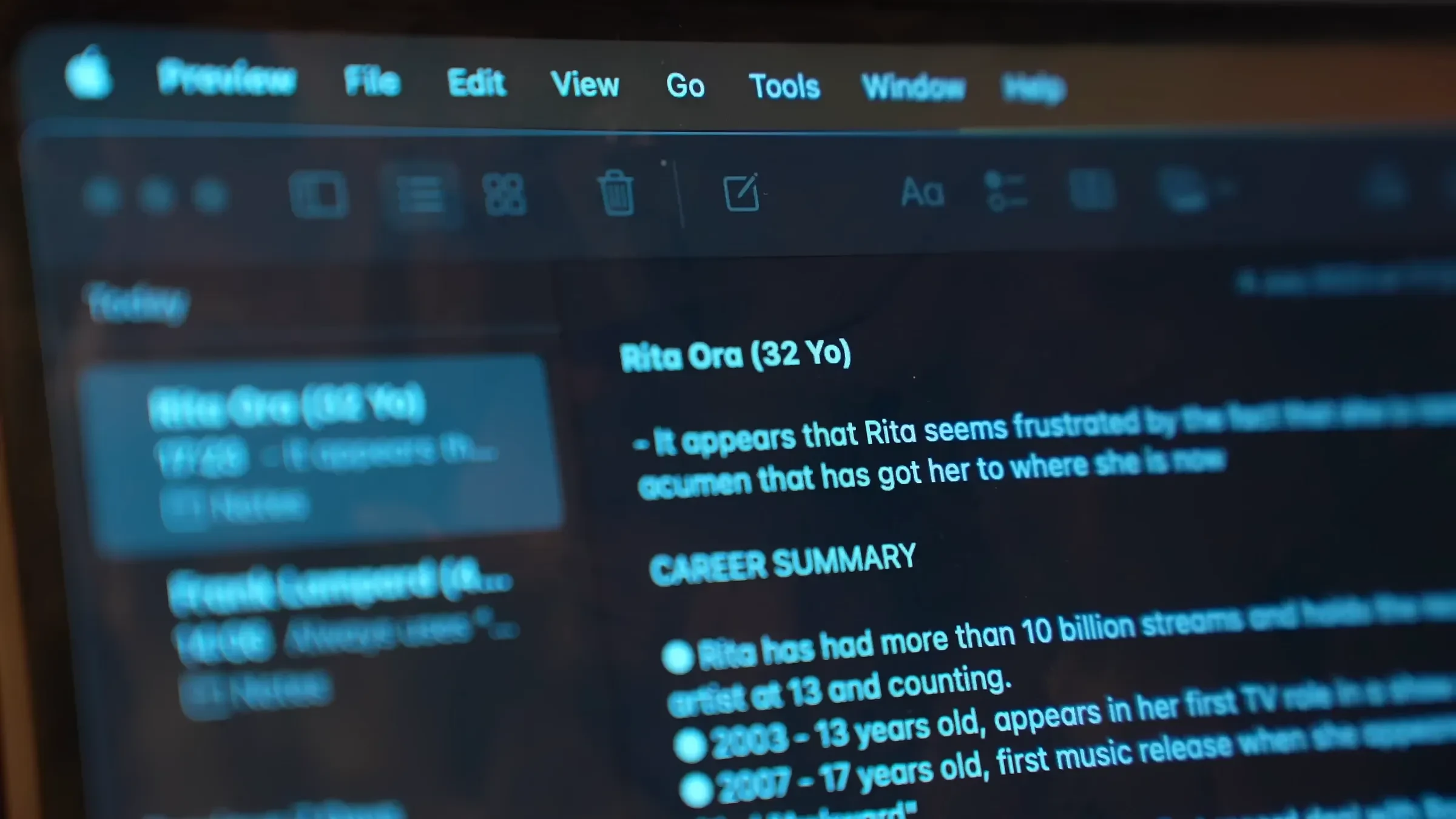


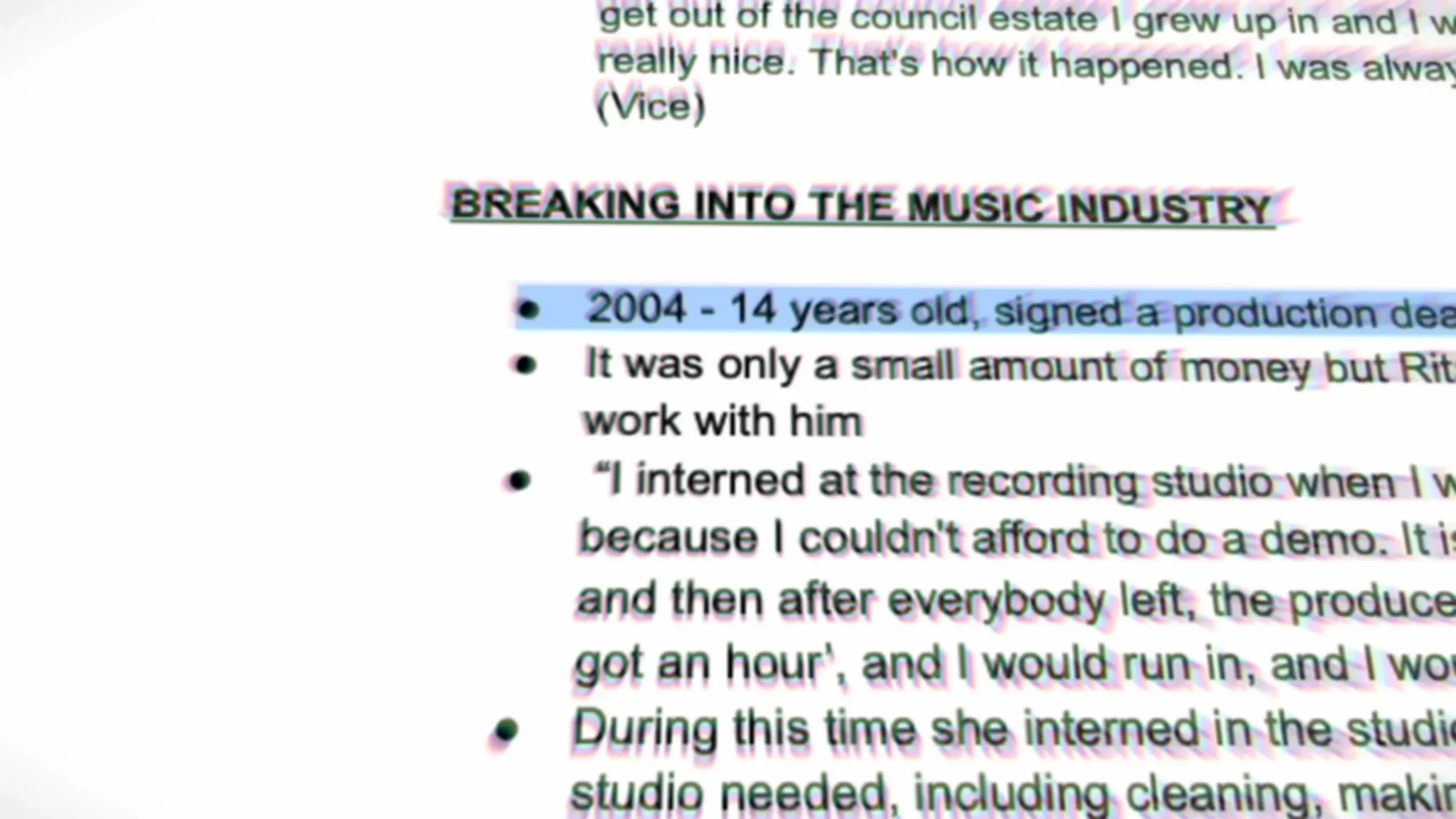
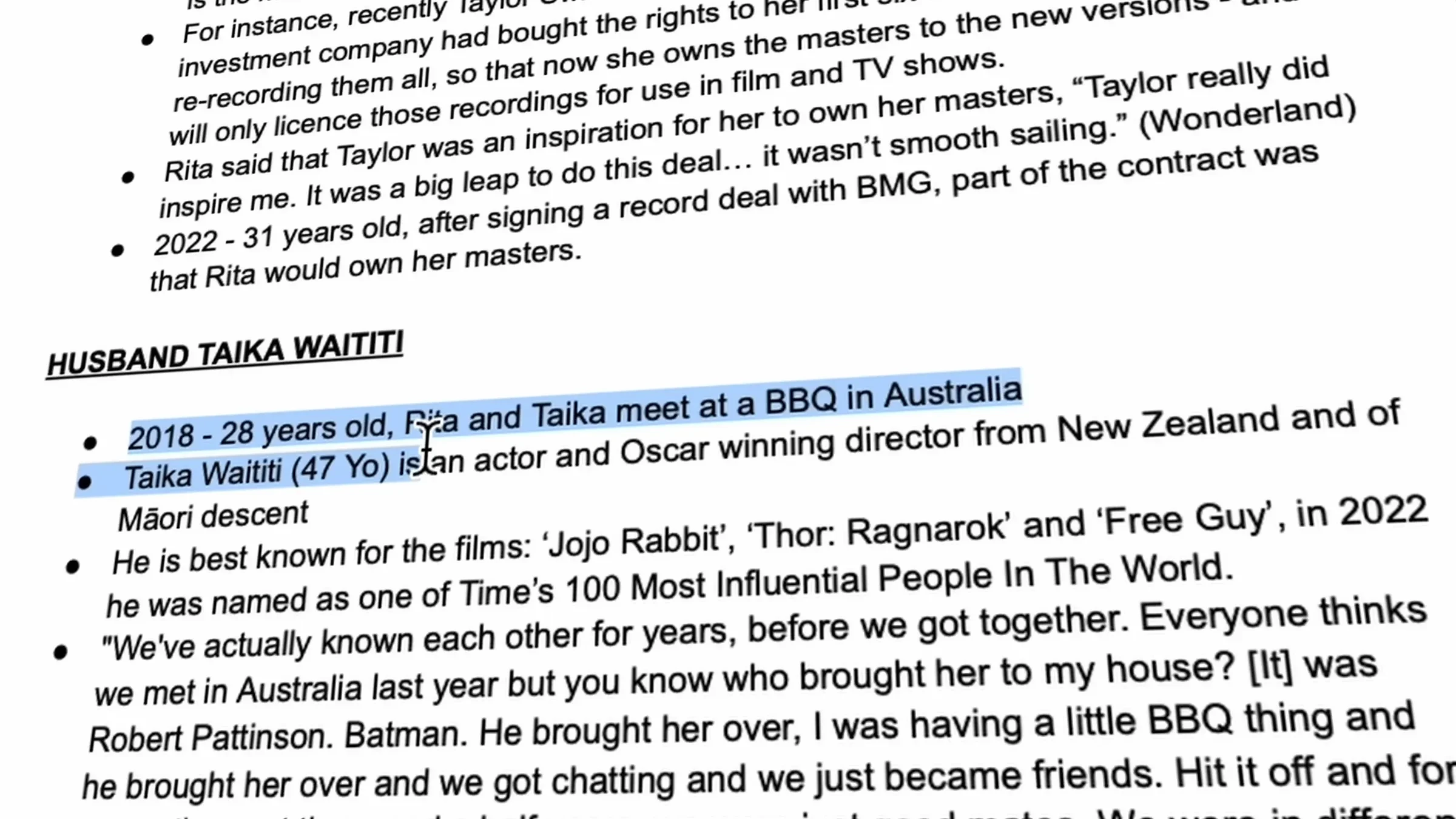
Some screenshots of the DOAC guest research One way they discussed growing the personal connection within the episodes is by researching each guest even deeper
Example he gave: Nardwuar really researches every person he talks to, they’re all shocked how he knows that much info about them
He has crazy tech for his podcast to automate/speed up processes
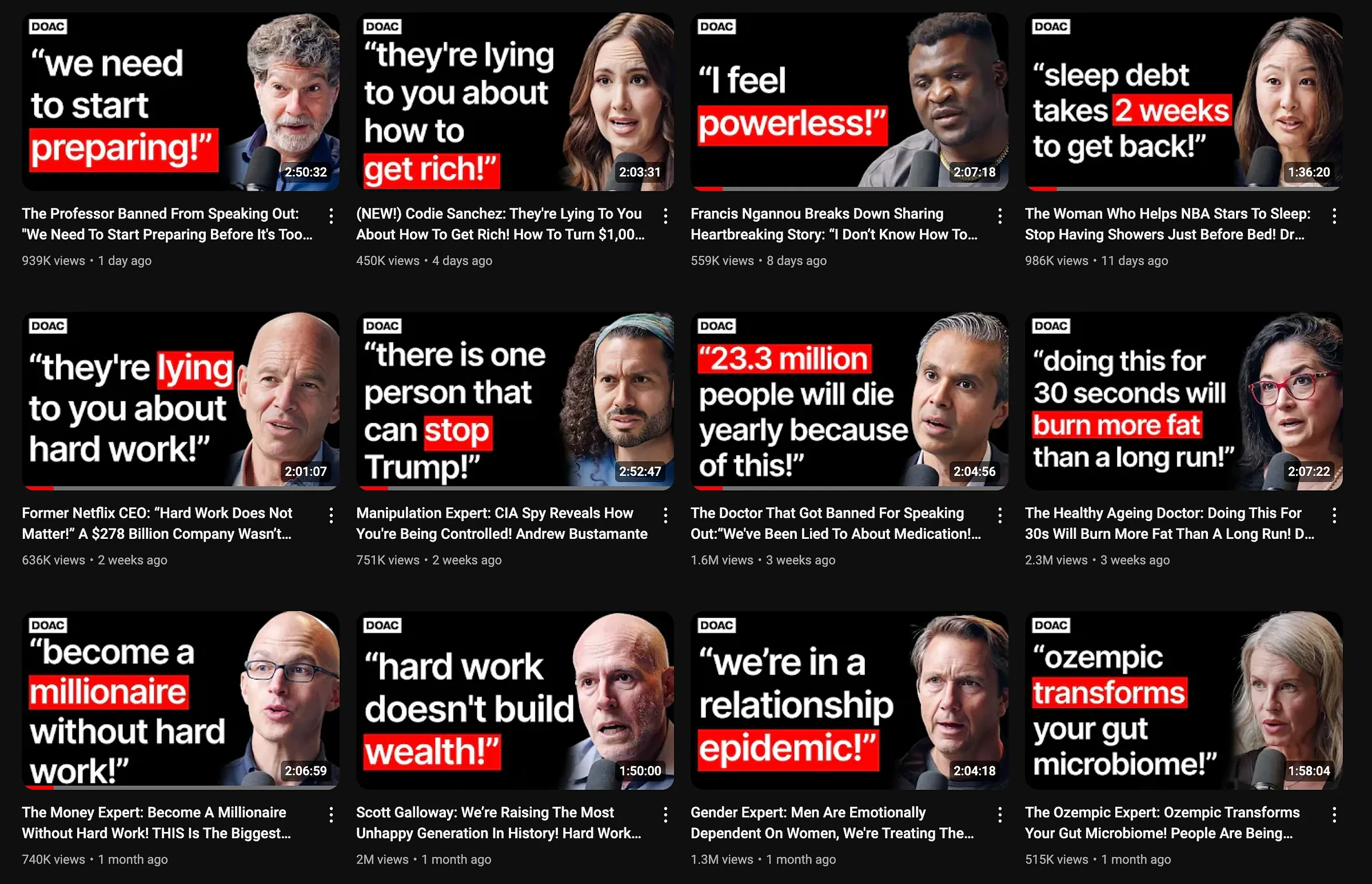
They A/B test 100 thumbnail and title combinations for what performs best
It’s why when you look at the Diary of a CEO channel, there’s no specific title format they stick with:
They have a trackpad underneath the host’s side of the desk, that when tapped on, highlights that segment of the live episode transcript. Once done recording, the editors can see the highlighted segments of the episode.
Steven: “Our technology is what makes the podcast successful.”
Distribution is really important
He has partnerships with 9 airlines, being the first podcast on some
Note: this is how i first found out about him
Partnership with 50 prisons in UK
He makes episodes interactive by implementing real world objects
Food and pills from Bryan Johnson, brought out in the middle of the episode
Printed pictures to hand to guests
Books written by the guest he’s speaking with
He’s really good at making the guest feel like they’re in a safe space
Makes them think he’s curious but not judging and without an agenda
Some guests even end up crying in the podcast episodes
Tips for promoting a podcast:
1. Have good guests
If you cant get big guests, create concepts that would intrigue people
Don’t just interview people, use creativity to your advantage to get people interested
2. It has to be a video podcast
Audio platforms don’t have a social aspect to them, but with video and short clips these get spread across social platforms
3. Have high quality, valuable content
Technical Tips
Intro segment editing tips:
After Steve uses the trackpad to highlight parts he thought were good, he gives to the intro editor
In each episode, while recording, the producer takes notes including thumbnail ideas and concepts covered, including subtopics. For topics he thinks would be good for the trailer, he highlights them.
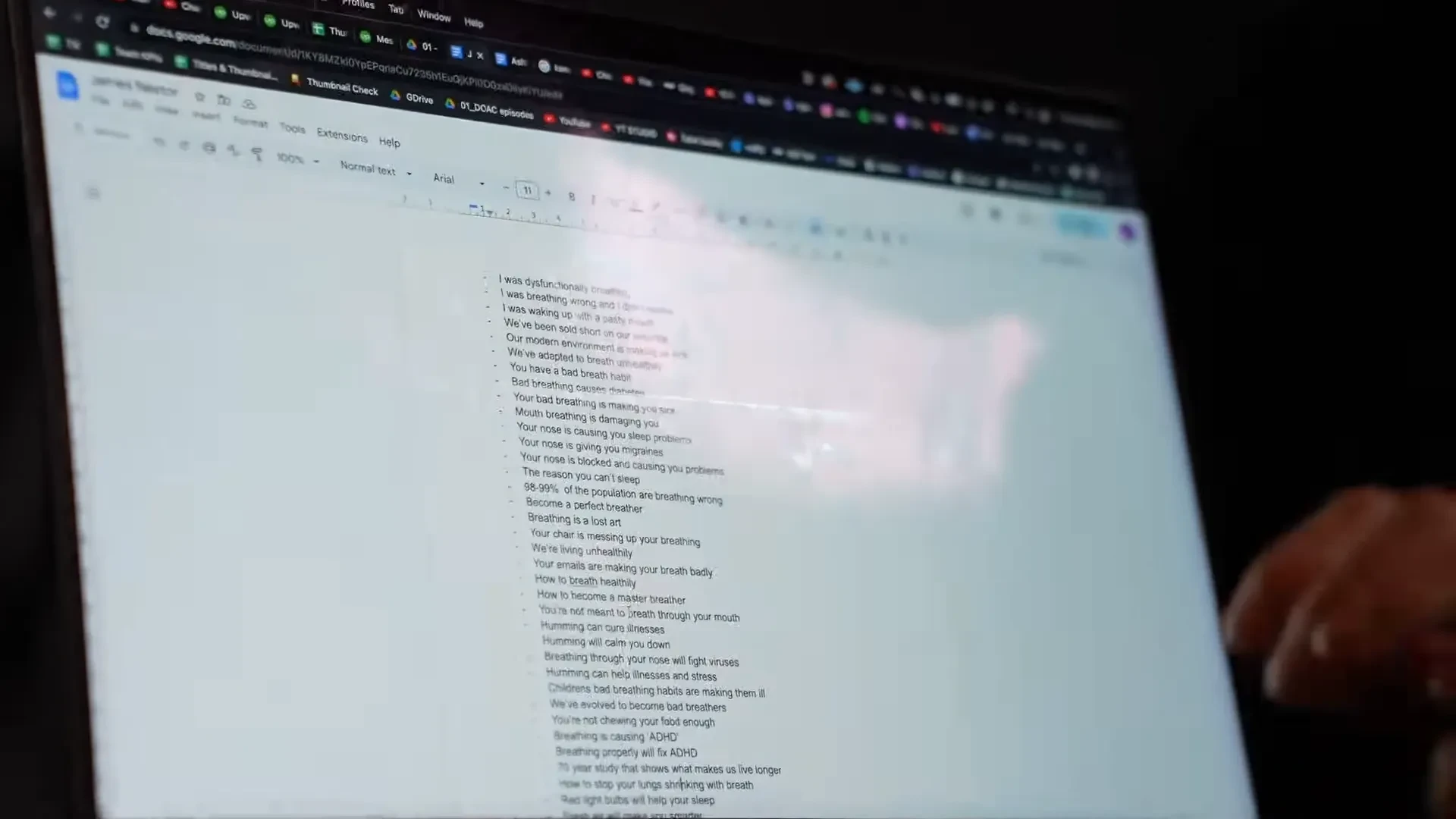
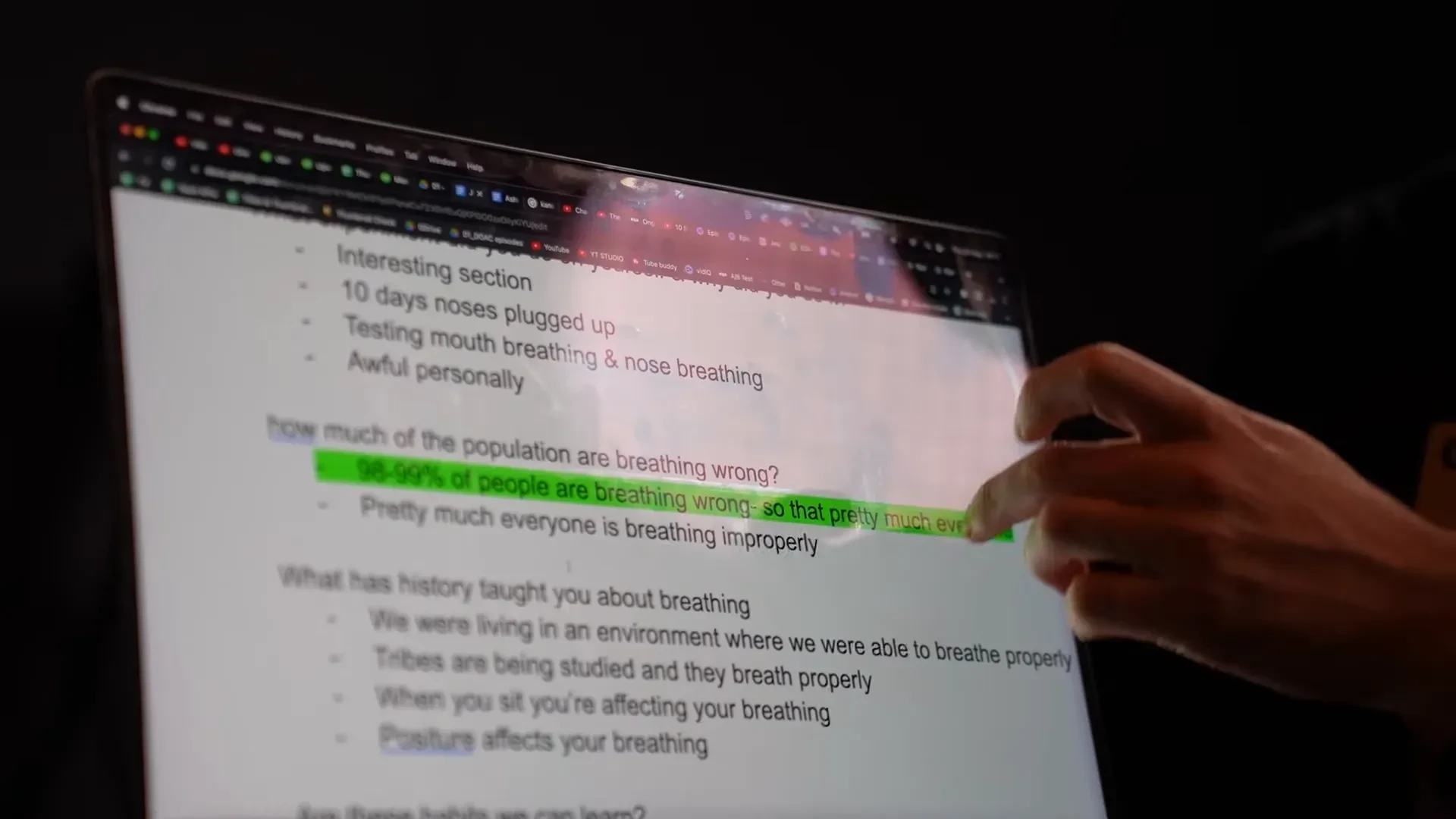
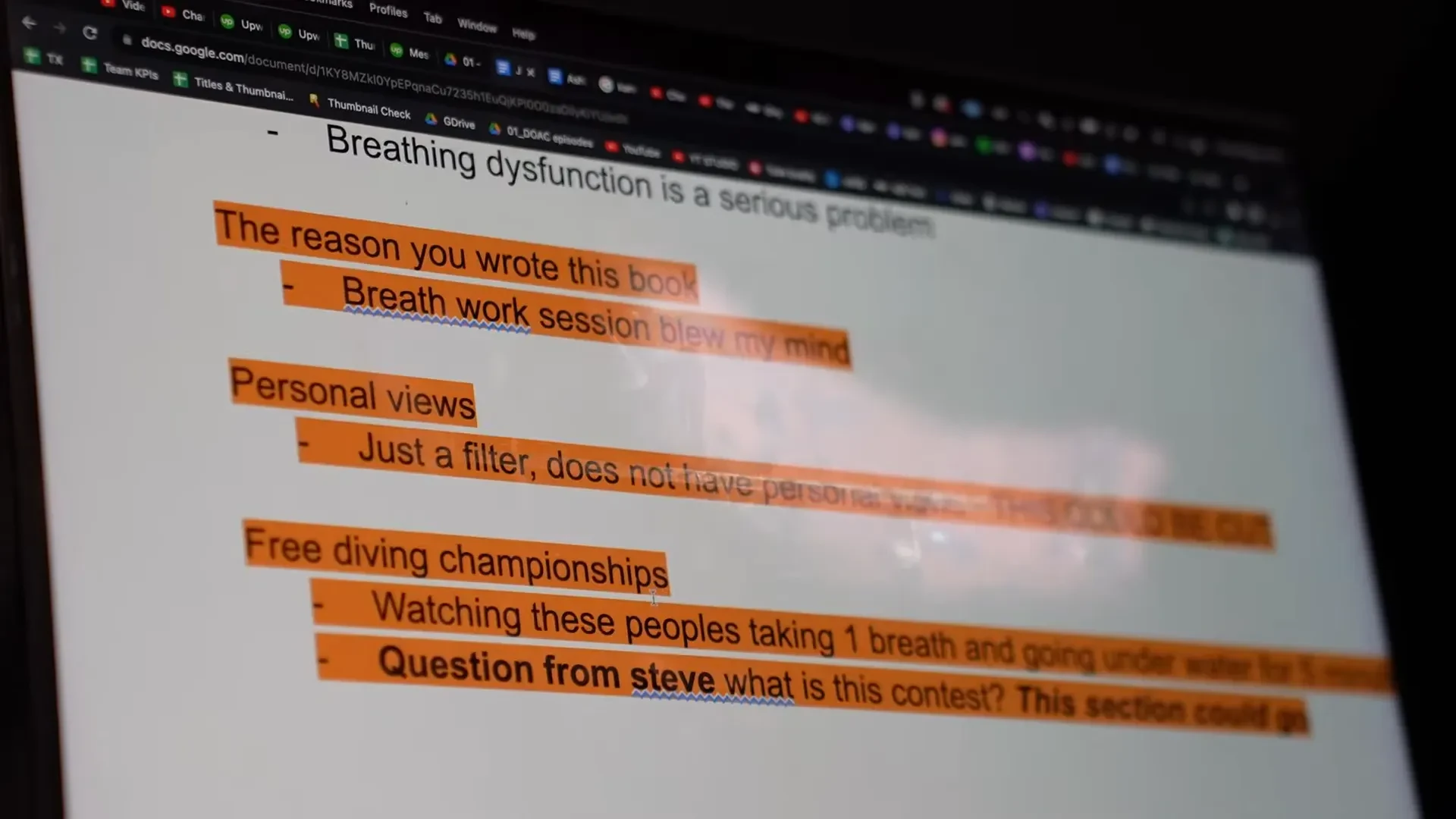
The producer then decides the alignment of the episode—thumbnail, title, trailer should all focus on the same core concept.
Not only should the intro be a reflection of the 2 hours condensed into 90 seconds, there’s promises of little nuggets that they’ll get if they watch the full podcast
After recording, the intro editor makes notes about what he thinks would be good to include in the intro:
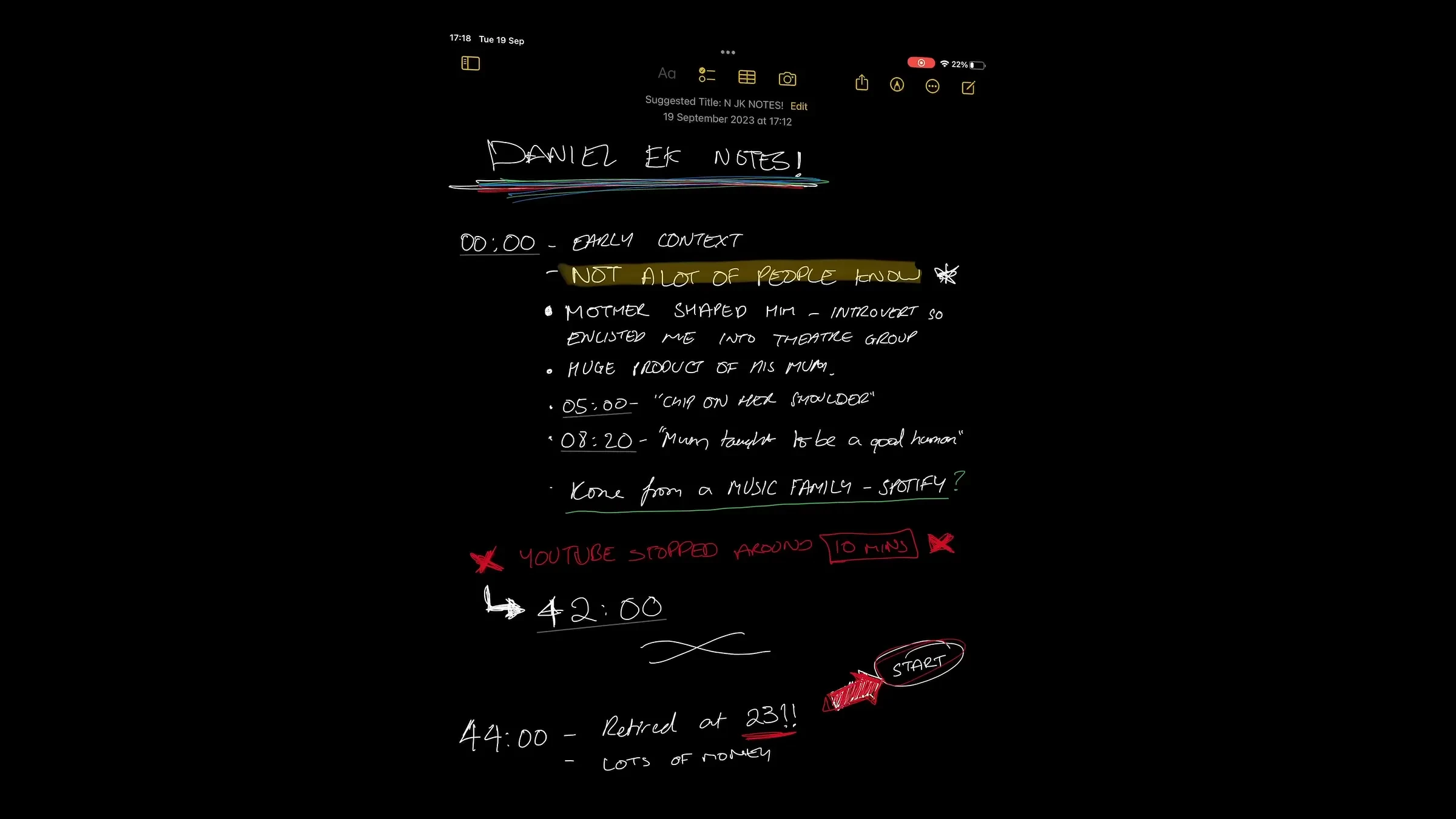
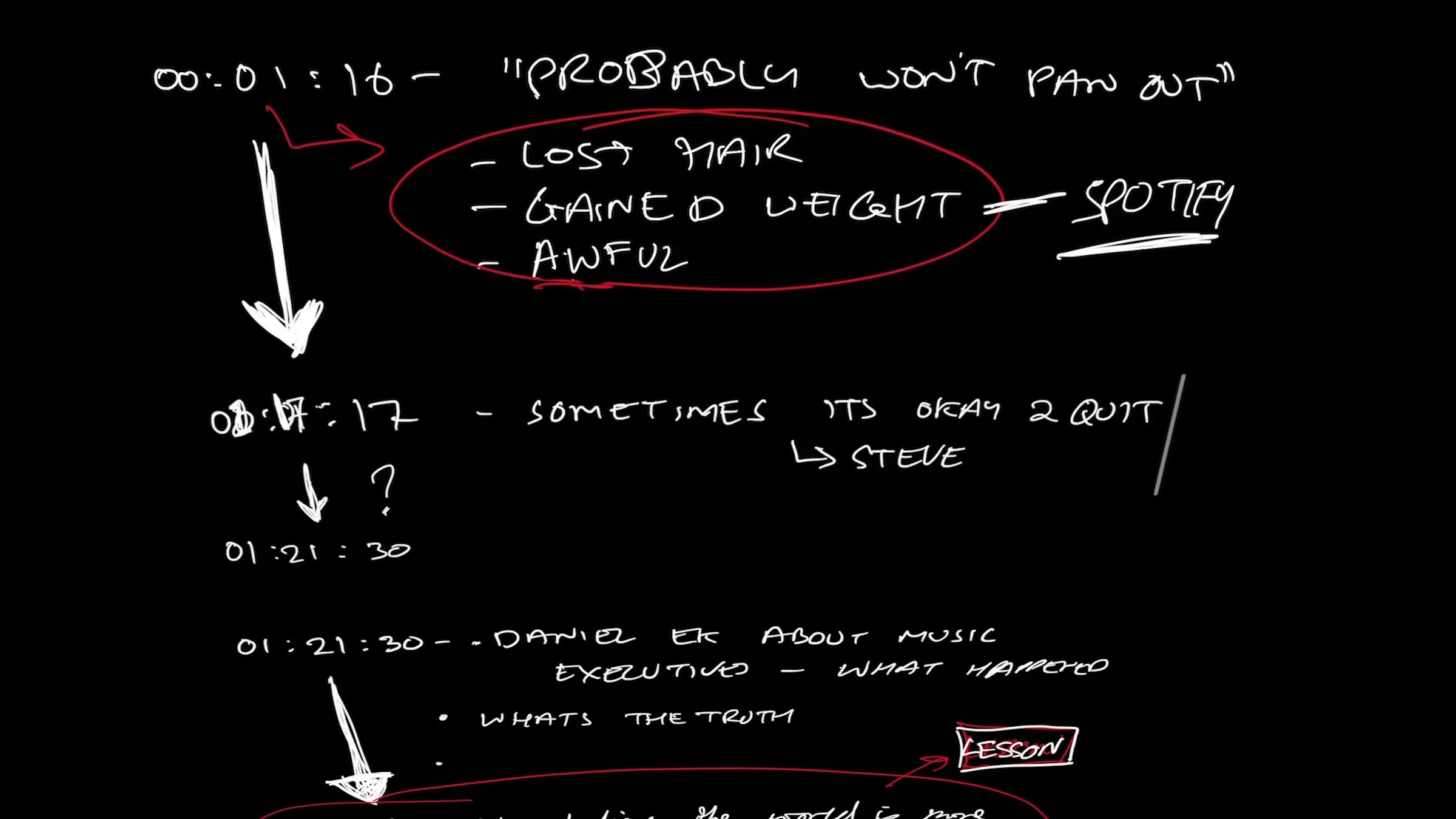
Tip 1 from intro editor: Story is King
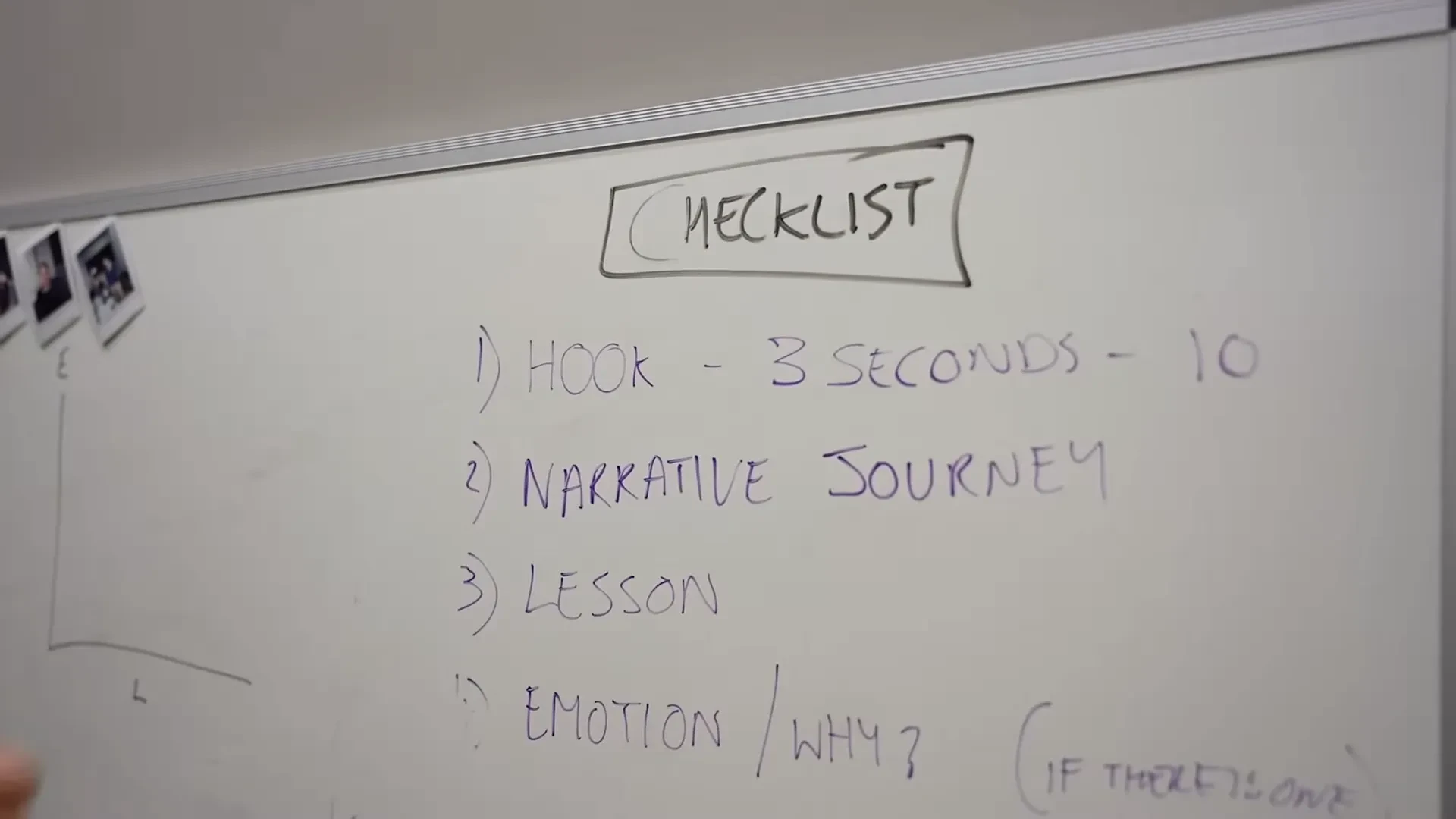
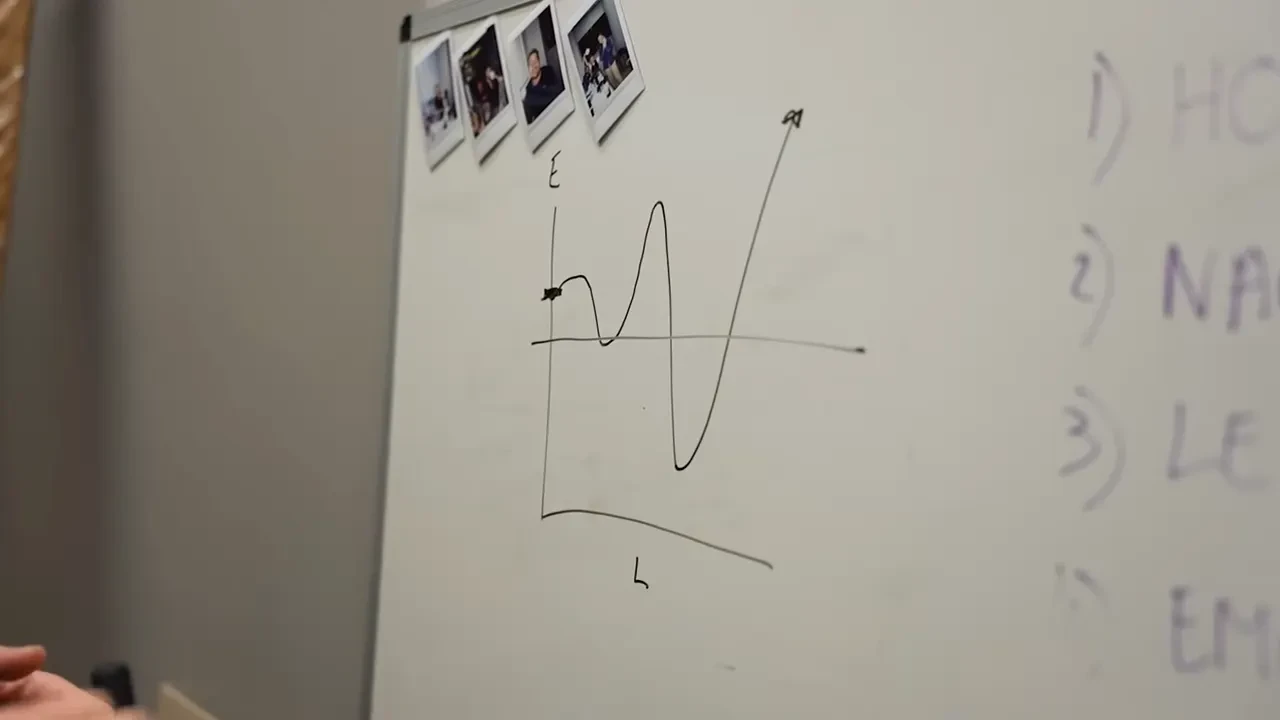
Trailer editing checklist; a graph of the viewers emotional journey The viewer should be taken through an emotional journey
You NEVER want a flat line
Tip 2: The 1% Philosophy
Elevate any bit of work you do by 1% every single time.
This philosophy is applied throughout the podcast and his companies.
If you found this useful, I’d love if you could share it with a few friends, and hit subscribe for more like this.
See you in the next one 🫡