M Hadi /
the next hollywood is unscripted.
First published as a manifesto for Awaiten.co in March 2025.
In a world where every skill can be mastered by anyone, and the value of all skills goes to zero, those who stand out will be the best storytellers.
Not stories that have been scripted, rather authentic stories—ones that are lived, captured, and shared with the world.
One could call these stories documentaries, video blogs (vlogs), or short films.
But on their own, there’s nothing special about those.
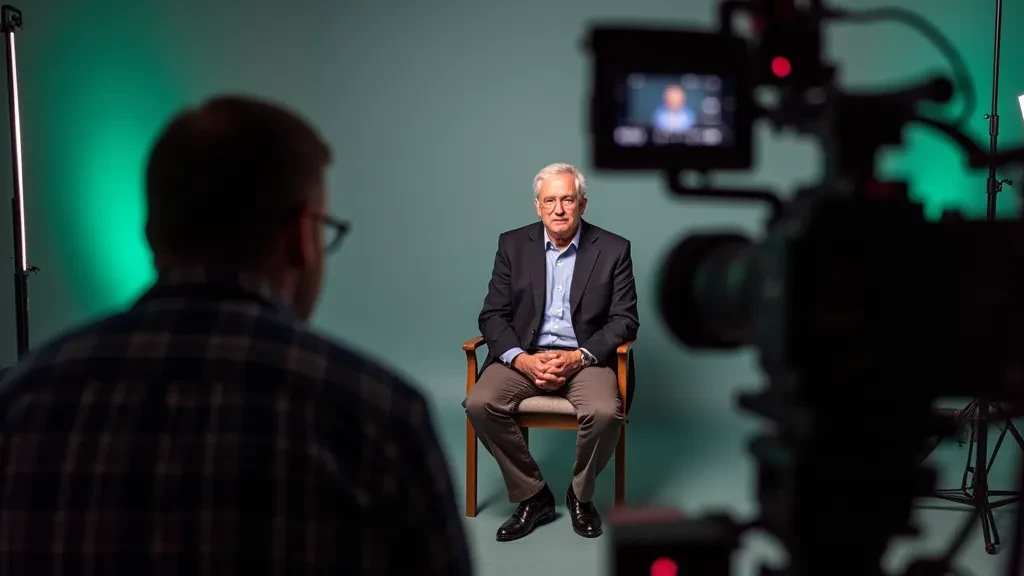
Traditional documentaries are quite boring, to be honest.
Accompanied by a robotic voiceover, you sit down to listen to hours of self-claimed experts lecturing about a certain topic, with miscellaneous b-roll overlaid throughout.
They story-tell, and rarely story-show.
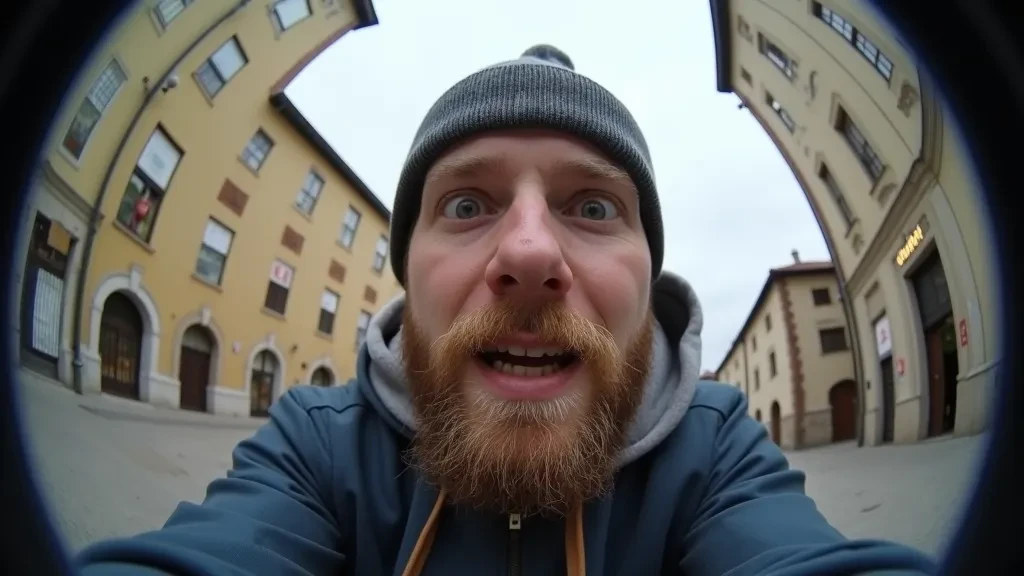
The word “vlog” also has its own negative connotation to it.
You imagine someone holding a camera flipped around to show their face, yelling “what’s up” through muffled audio and 360p video quality.
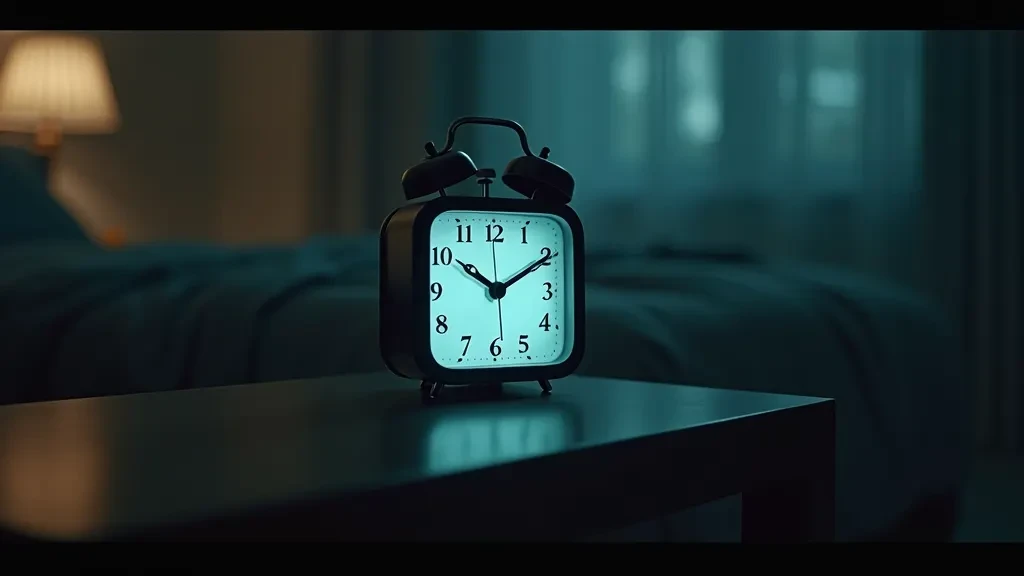
And short films? They’re always created in a very specific style.
There’s always that shot of an alarm clock, the ridiculously overdone two-tone lighting with an orange-and-teal color grade, and of course; the all mighty black bars.
I believe the intersection of these three is where magic is born.
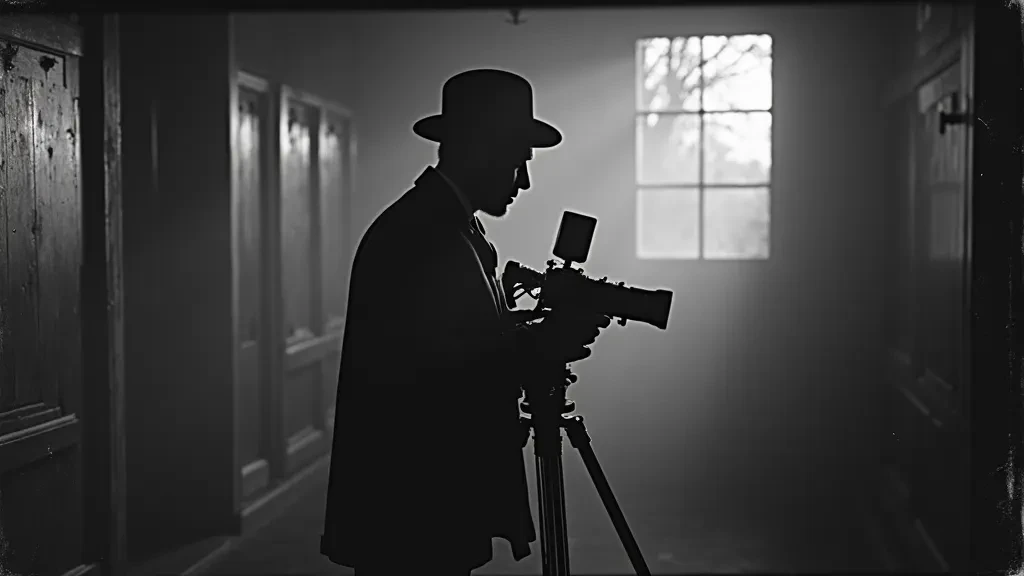
The French called it “cinéma vérité”—a style of filmmaking that used simple equipment to capture real, unedited stories. This raw approach changed documentaries by pushing journalists to dig deeper, leading to real changes in society and documentary filmmaking (1).
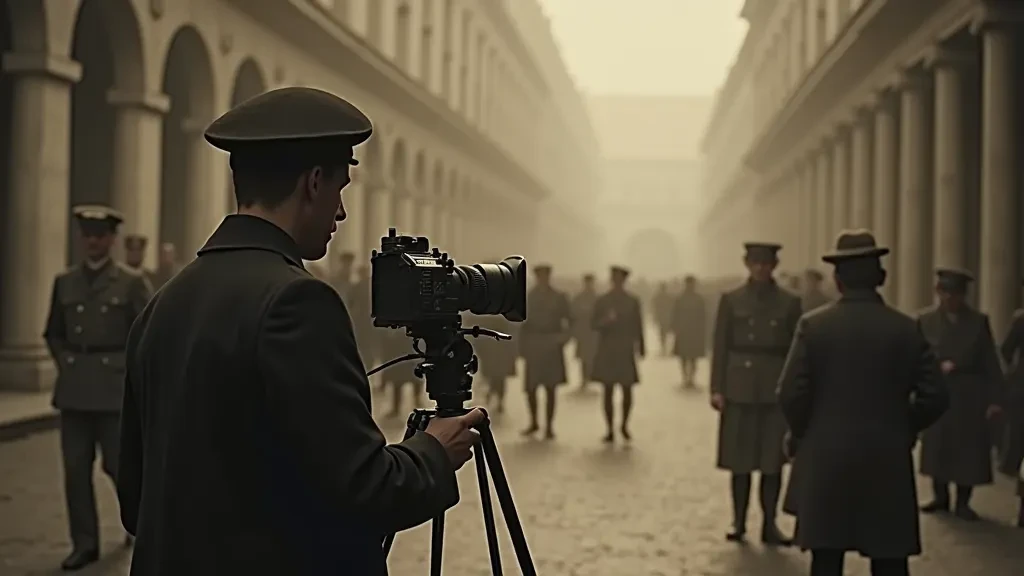
The Italians referred to it as “neorealism”—a film movement about everyday people and their daily lives. By showing the tough realities of post-war life, neorealism got people talking about social issues and even influenced policy changes (2).
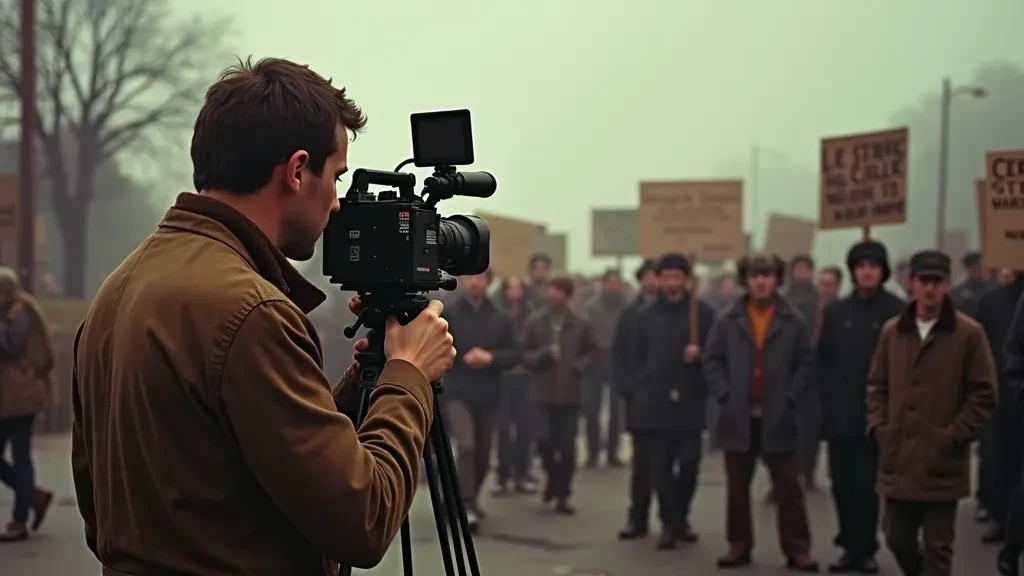
And the Americans even had their own term—“direct cinema”. Starting in the late 1950s, it’s focus was “capturing reality without interference” (3). This meant little editing, no scripts, and no forced interviews. Direct cinema’s honest look at events shaped modern reporting and sparked changes globally.
And while documentaries, vlogs, and short films might now feel oversaturated through repeated cliches and tropes, they have all already impacted the world in countless ways:
Documentaries like The Thin Blue Line have exposed major flaws in the justice system, sparking reforms that freed the wrongly convicted.
Raw, unscripted footage—think of the viral video of George Floyd's death recorded by a teenager and not a news crew—has caused global movements, pushing governments to rethink and change outdated policies.
Films such as Super Size Me have shifted public perception on health and forced fast-food giants to offer better, healthier options.
Unfiltered, real-life storytelling from online creators such as Casey Neistat has given millions of ordinary people the power to challenge authority and drive social change like never before.
By blending everyday moments with honest storytelling, video has become a medium that doesn't just entertain—it actively reshapes our world.
But what’s so special about video specifically? Why not photography or music production?
I believe that video is the result of combining every other form of art into one; creating an art form that unites the senses to create a surreal, ultra-realistic representation of a moment of life.
A picture can capture a thousand words in one frame, and an audio can capture a thousand emotions in one sound.
Combining the two empowers what we call cinema.
Everyone has a story, but not everyone has the means to share their story with the world.
Our goal with Awaiten is to provide the resources needed, from beginning to end, for anyone - no matter their skill, age, or experience - to share their stories with the world.